
New online releases keep blending the line between slots, arcade games, and crash‑style betting. Chicken Road secure login is a good example. It’s a single game, not a casino brand, and its draw is a simple risk decision, not spinning reels. We’ll analyze what the game does, how its return and volatility work, what replaces paylines, and how to evaluate a session before putting money down. The goal is practical clarity: identify the mechanics, check the published rules, and understand the cash‑out trade‑off. Exact limits and return figures can differ by version, so we treat the in‑game info panel as the final word, not any third‑party summary. That is important for any new title, especially one that borrows slot language but runs on a different core loop. That distinction influences everything below.
Theoretical payout, House advantage, and Volatility ExplainedRTP is a statistical long‑run number, not a commitment for any individual session. In Chicken Road, check the in‑game help or rules screen for the published RTP — variants and configurations can vary. Crash‑style and arcade games often come in the mid‑to‑high 90s, but we do not consider a third‑party estimate as final. The house edge is the complement of RTP: if a edition lists 97%, the theoretical edge would be 3% over a substantial sample. Risk is the more direct consideration. Because you choose when to cash out, outcomes aren’t dispersed consistently like a low‑variance slot. Most rounds may conclude with limited returns or losses, while a few of deep runs produce substantial multipliers. That pattern fits players who can tolerate frequent small moves and sporadic sharp losses. It doesn’t suit anyone anticipating steady and predictable payouts. We measure volatility by tracking how rapidly the multiplier increases and how often early failures happen.
We differentiate theoretical return from session volatility because they respond to different issues. RTP indicates a long‑run mean across many rounds; it doesn’t tell you how often a round pays or how long a crossing must go before a cash‑out becomes worthwhile. In actual play, we watch the multiplier movement and the stake size simultaneously. A 2x cash‑out at a small stake may give back less than the original stake after multiple losses, while a 5x objective can create long dry spells. The correct target depends on the listed mechanics and your acceptance for variance. We also check whether the game indicates a maximum multiplier, because a ceiling can smooth out the upper end of the range. If the guidelines are unclear, we lower the stake or quit. That’s not a profit guarantee; it’s a means to keep the decision transparent while the game’s random outcomes develop.
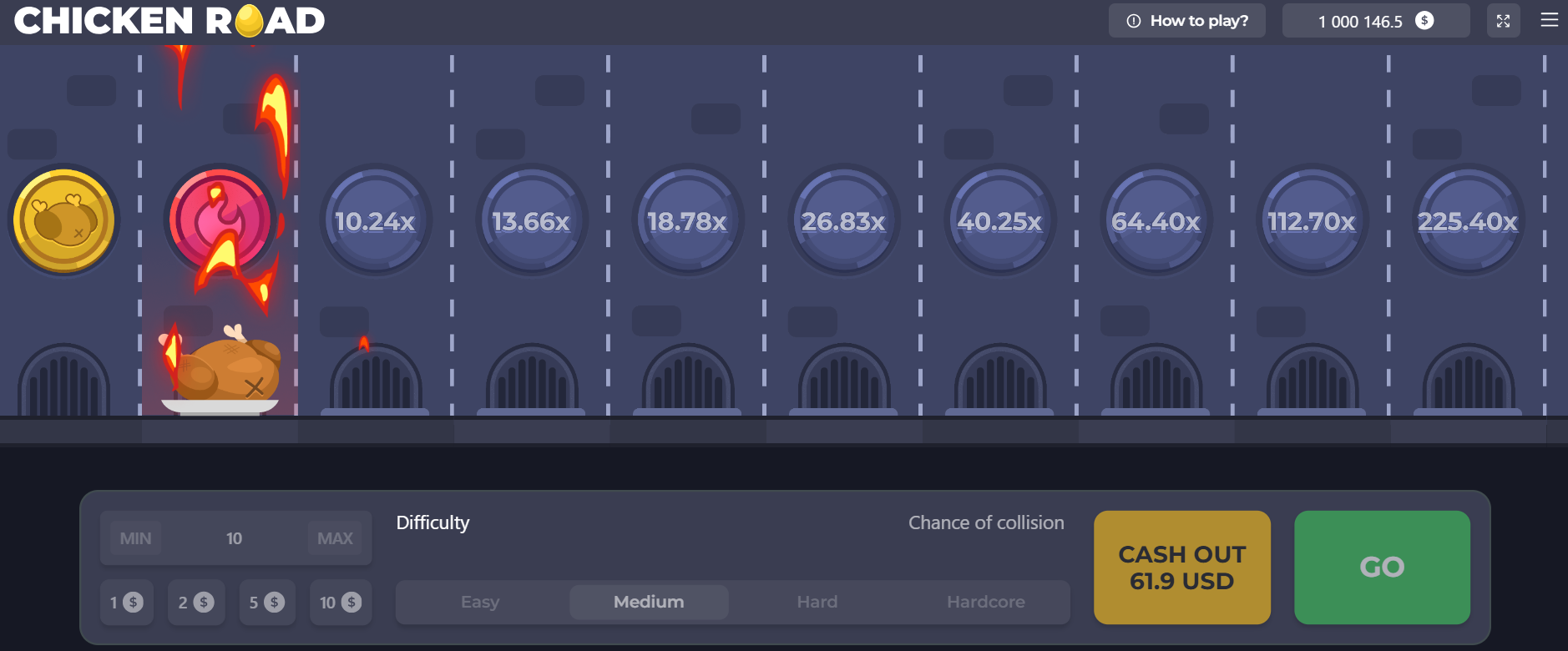
How Chicken Road Works and How It FitsChicken Road is a basic arcade‑style game: a chicken crossing a busy road. You set a stake, start the round, and watch the multiplier climb as the chicken moves. The round ends when you cash out or when traffic hits. That puts it closer to crash games and instant‑win products than a five‑reel slot. read here We still cover it under new online slots because release roundups often lump fast, multiplier‑led games together, but the difference isn’t cosmetic. There are no spinning reels, no symbol combos, and no scatter‑triggered free spins in the usual sense. The core decision is when to stop. Cash out early and you lock a smaller return; push further and you accept a higher chance of losing the stake. Grasping that single trade‑off beats memorising a paytable that doesn’t exist.
Checking the Game Rules and Confirming FairnessThe rules screen counts more in Chicken Road than in a standard slot because your decision influences the outcome. We look for the published RTP, the maximum multiplier or payout, the minimum and maximum stake, and the exact conditions that finish a round. We also check whether the game uses a random number generator, a provably fair system, or another certified mechanism, and we study the explanation rather than depending on a logo. If the game displays a version number or release date, we note it because rules can change between builds. We don’t presume that a figure from a review site equals the live game. For fairness, the key question is whether the collision points are generated independently and whether you can verify past rounds. If verification tools are available, we utilize them. If not, we rely on the published certification and the platform’s game information. This step requires a minute and prevents false assumptions about return or caps.

The theme is deliberately simple: a bird, a street, and incoming cars. That straightforwardness drives the play cycle. You place a bet, hit start, and the hen moves ahead one lane at a time. Each successful step increases the multiplier on the interface. At any moment before a crash, you can withdraw and take the current value. If a car strikes first, the session stops and the stake is forfeited. The visuals plays a role because it makes risk visible: the more the bird goes, the larger the potential payout and the more exposed your standing. There’s no hidden bonus sequence to anticipate, no spinning graphic to decipher. The process is brief, replayable, and straightforward to check in real time. For new players, the key takeaway is to set a goal before you begin. the takeaway Chasing one more step after the odds already reached your limit turns a disciplined cash‑out game into an improvised gamble.
Bonus Rounds, Multiplier Mechanics, and Unique MechanicsTraditional slot bonuses — free spins, wilds, scatters, bonus wheels — aren’t the focus of Chicken Road. The main mechanic is the increasing multiplier tied to each successful lane crossing. The cash‑out button is the feature that matters most: it transforms the current multiplier into a return and ends the round. Some versions may include extra tools like a target cash‑out setting or a display of recent multipliers, but we verify those in the live interface, not by assuming they exist. We also check whether the game applies a maximum multiplier, a maximum payout, or a step limit, because any cap changes the risk‑reward calculation at deep levels. If a version does include extra mechanics, they should be described in the rules screen. We don’t treat a fast multiplier rise as a bonus; it’s the core progression. The practical takeaway: know exactly which button locks the payout and whether the game offers any automated stop. That knowledge prevents accidental overreach.
Stake Range, Top Payout, and Bankroll PlanningThe stake selector is the first control to inspect. Chicken Road typically provides a selection from small unit stakes to a set limit, but exact minimum and maximum depend on the version of the game and the site hosting it. We check the display before playing and regard the displayed limits as authoritative. The highest win is usually shown as a multiplier cap or a payout ceiling; we seek that number in the terms because it dictates whether a extended streak can pay the entire visible multiplier. Funds management should follow the volatility. We establish a playing budget, select a wager that permits sufficient rounds to encounter the system, and establish a withdrawal goal before commencing. Because each game can conclude rapidly, automatic play or rapid clicking can eat a budget without much thought. We prefer manual starts and a recorded loss limit. Increasing jackpots aren’t the standard model here; the payout originates from the multiplier upon withdrawal. If a bonus pool is advertised, we check its terms on their own.

A practical bankroll example helps. If we establish a gaming budget of 100 credits and choose a stake of 1 unit, we have 100 plays before the budget is exhausted, disregarding any winnings. That provides sufficient space to study the multiplier behaviour without treating one extended streak as a strategy. If we pick a 10‑unit stake, the same budget allows only 10 entries, so a brief losing run can end the session before the system is understood. We choose smaller stakes when studying a new version and raise them only after examining the terms and trying the withdrawal timing. We also establish a highest number of plays, not just a funds limit, because fatigue can lead to impulsive targets. These are broad management guidelines, not predictions. The specific wager limits and ceilings remain game‑specific, so we confirm them in the interface before the initial game.
How to Play the Chicken Road Step by StepWe begin by checking the game’s rules or help panel and checking the RTP, stake limits, maximum win, and any cap on the multiplier. Suivant, we choose a stake that matches the session budget. Once we start the round, the chicken moves forward and the multiplier increases. We track the current return value, not just the multiplier, because the stake size defines the actual money at risk. When the return hits our pre‑set target, we cash out. If the target is not met before a collision, we accept the loss and avoid raising the stake to chase it. We avoid changing the target mid‑round unless there’s a clear reason recorded before play. We also test the interface in demo mode if present, which allows us learn the timing without risking money. In conclusion, we maintain a simple log of stake, target, and result for a short session. That record shows whether our chosen target is practical or whether we’re consistently aiming too high.
Benefits, Drawbacks, and Target AudienceThe advantages of Chicken Road lie in clarity and control. You can see the multiplier, choose when to cash out, and understand the risk without decoding a paytable. Rounds are quick, the theme is immediate, and the cash‑out mechanic produces a clear tension that slot players might find refreshing. The weaknesses are similarly evident. There are no reels, paylines, free spins, or wilds, so players who want those features will consider the game thin. Volatility is high because you can enter low‑probability territory, and the absence of a bonus round signifies the entire experience rests on one decision. We also note that exact RTP, stake limits, and maximum win figures change by version, so due diligence is necessary. The game is for players who enjoy crash‑style risk management and short sessions. It’s not as suitable for anyone wanting steady low‑variance play or a traditional slot structure. We view it as a distinct format, not a slot substitute.
Slot cylinders, Positions, Paylines, and Winning pathsChicken Road doesn’t use reels, rows, or paylines, so anyone looking for a 5×3 grid or 243 ways to win will not discover one. The game’s “ways to win” are profitable lane advances followed by a cash‑out. Each step raises the multiplier, and the payout is stake times the locked‑in figure at cash‑out. That means not a single paytable of symbol combos and no left‑to‑right matching rule. The relevant numbers are the starting multiplier, the progression rate, the maximum multiplier or payout cap, and the probability of a collision at each stage. We check those details in the game rules, not by deducing from animation. The absence of paylines also changes how we assess a session. You can’t count near misses on a grid; you can only monitor stake, target multiplier, and cash‑out discipline. For anyone measuring this with a conventional slot, the key difference is control: you determine when the round ends, aside from the collision event.
